





Welcome to pdf Providerspk(PPP). Here you can download or read online pdf Books Free.
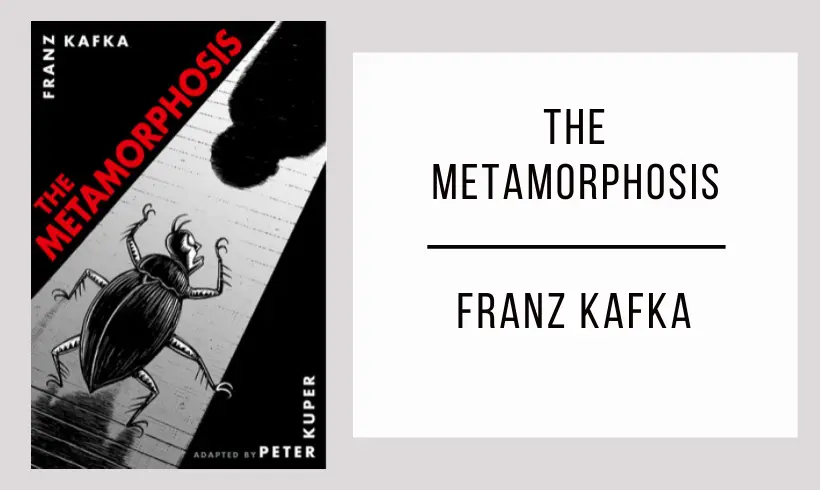
“The Metamorphosis” by Franz Kafka stands as one of the most remarkable works of world literature — a haunting and surreal tale that explores the fragile nature of human existence, identity, and alienation. First published in 1915, this novella captures the emotional, social, and psychological isolation that defines modern life. It tells the story of Gregor Samsa, a hardworking salesman who wakes up one morning to find himself transformed into a monstrous insect, and from that moment, his entire world collapses into despair and absurdity.
Kafka’s unique narrative blends realism with surrealism, forcing readers to confront uncomfortable truths about the human condition. “The Metamorphosis” is not merely a story about transformation; it’s a profound exploration of how society and family react to difference, change, and vulnerability.
When Gregor Samsa realizes his shocking metamorphosis, his first thoughts are not of himself but of his family — how will they survive without his income? His selflessness and anxiety for others highlight the deep sense of duty that defines his character. Yet, despite his devotion, the people he loves soon turn away from him. His sister Grete, once kind and supportive, gradually becomes distant, while his parents retreat into fear and disgust. This transformation from affection to rejection mirrors the cruelty of a society that values individuals only for their productivity and conformity.
Kafka’s story functions as both a psychological study and a social critique. It reveals how quickly compassion can vanish when someone is no longer “useful.” Through Gregor’s physical transformation, Kafka symbolically depicts the emotional and moral decay that occurs when human relationships are based on obligation, economy, and appearances rather than empathy and understanding.
The novella unfolds within the claustrophobic confines of the Samsa apartment, emphasizing the suffocating isolation of the protagonist. As Gregor becomes more insect-like in body, he simultaneously grows more human in spirit — feeling sorrow, shame, and love more deeply than ever before. His family, however, moves in the opposite direction, becoming increasingly callous and mechanical. This reversal of humanity is one of the key insights of Kafka’s masterpiece: the monstrous form of Gregor becomes a mirror reflecting the true monstrosity of human indifference.
From a philosophical perspective, “The Metamorphosis” embodies the existentialist themes that would later dominate 20th-century thought. The story’s absurd premise — a man turning into an insect for no apparent reason — defies rational explanation. Yet within that absurdity lies profound meaning. Gregor’s condition represents the modern individual’s struggle to find purpose in a world governed by bureaucracy, isolation, and apathy.
Kafka’s sparse, precise language heightens the sense of dread and detachment. There is no clear moral lesson, no divine intervention, and no redemption. The world simply continues as Gregor’s existence fades away — a tragic metaphor for the disposability of human life in a society driven by economic necessity.
At its core, “The Metamorphosis” is a story of identity and self-perception. Gregor’s body has changed beyond recognition, yet he retains his mind and emotions. This tension between his inner humanity and outer monstrosity reflects the alienation experienced by those who feel unseen or misunderstood. Kafka compels readers to ask: What defines a person — their appearance, their role in society, or their inner consciousness?
Beyond its philosophical implications, the story resonates on a deeply emotional level. Gregor’s longing for love, acceptance, and understanding is universal. The pain of rejection and invisibility he experiences mirrors the loneliness many people face in the modern world. Kafka’s genius lies in transforming this personal anguish into a universal allegory that continues to speak to readers more than a century later.
📖 Character Analysis
-
Gregor Samsa – The protagonist whose inexplicable transformation becomes the center of the story. Once a dutiful son and worker, his metamorphosis exposes the fragility of his relationships and the conditional nature of familial love.
-
Grete Samsa – Gregor’s sister, initially caring but later resentful. Her character arc represents how empathy can erode under pressure and fear.
-
Mr. and Mrs. Samsa – Gregor’s parents embody societal norms and the family’s dependence on economic contribution. Their rejection of Gregor underscores the transactional nature of human bonds.
Kafka’s minimal cast allows the emotional focus to remain sharp, amplifying the psychological intensity of the narrative.
🧠 Themes and Symbolism
-
Alienation and Isolation – Gregor’s transformation symbolizes the alienation of the modern worker. His insect form represents dehumanization — the loss of individuality in a capitalist system that treats people as mere cogs.
-
Family and Responsibility – The story exposes the fragility of familial love, revealing how dependence and duty often mask resentment and selfishness.
-
Identity and Transformation – Kafka explores the instability of selfhood and how identity is shaped by external recognition.
-
Existential Anxiety – Gregor’s situation embodies the absurdity of existence — a world without reason, justice, or meaning.
-
Societal Judgment – The reactions of Gregor’s family and society mirror the fear of difference and the cruelty of social conformity.
Kafka’s genius lies in creating a work that is both intensely personal and universally relevant. Each reader can find their own reflection within Gregor’s struggle — whether it’s feeling trapped in an unfulfilling job, misunderstood by loved ones, or rejected for being different.
🏛️ Historical and Literary Context
Written between 1912 and 1913 and published in 1915, “The Metamorphosis” emerged during a turbulent period in European history. Industrialization, urbanization, and political unrest were reshaping society. Kafka, who worked as a bureaucrat in Prague, experienced firsthand the alienation of modern labor and the loss of individuality in an impersonal system.
His writing aligns with Expressionism, a literary and artistic movement that sought to depict inner emotional states rather than external reality. Kafka’s works — often characterized by surreal settings, dreamlike logic, and oppressive atmospheres — perfectly capture the anxiety of modern existence.
Though Kafka wrote in German, his universal themes transcended language and culture. His influence can be seen in writers like Albert Camus, George Orwell, and Haruki Murakami, and his name has even inspired the adjective “Kafkaesque”, used to describe nightmarish situations marked by absurdity and powerlessness.
💭 Why You Should Read “The Metamorphosis”
Reading “The Metamorphosis” is not just an encounter with one man’s strange fate — it’s an introspective journey into the human soul. It challenges readers to confront their own fears of rejection, change, and insignificance. Kafka’s story remains relevant in today’s world, where many still feel trapped in systems that devalue individuality and compassion.
Every re-reading reveals new meanings. For some, it’s a tragedy of family and loneliness. For others, it’s a political allegory or a psychological case study. The ambiguity of Kafka’s work is part of its enduring brilliance — it never gives you easy answers but always leaves you thinking long after the final page.
📘 About the Author
Franz Kafka (1883–1924) was a Czech writer of German-Jewish descent, whose works profoundly influenced modern literature. Known for his themes of alienation, bureaucracy, and existential dread, Kafka wrote masterpieces like The Trial, The Castle, and The Metamorphosis. His writings remained largely unpublished during his lifetime; most were released posthumously, establishing him as one of the most important literary figures of the 20th century.
⚙️ Conclusion
“The Metamorphosis” is not just a story about transformation — it’s a mirror reflecting humanity’s deepest anxieties. Kafka exposes the vulnerability that lies beneath the surface of social order and reveals how fragile love and acceptance can be.
This novella invites readers to reflect on empathy, identity, and the nature of existence itself. More than a century later, it remains as haunting and relevant as ever — a timeless reminder that to be human is to feel, to hope, and to struggle for connection in an indifferent world.