





Welcome to pdf Providerspk(PPP). Here you can download or read online pdf Books Free.
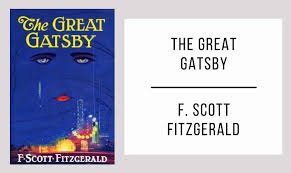
The Great Gatsby by F. Scott Fitzgerald – Free PDF
Introduction to The Great Gatsby
The Great Gatsby by F. Scott Fitzgerald is one of the most famous novels in American literature. First published in 1925, the novel presents a powerful and emotional portrayal of love, ambition, wealth, and moral decay during the Jazz Age in the United States. Though relatively short, the book leaves a deep impact on readers due to its symbolism, tragic characters, and timeless themes.
The novel tells the story of Jay Gatsby, a mysterious and wealthy man who believes he can reclaim his lost love by achieving enormous wealth and social status. Through Gatsby’s rise and fall, Fitzgerald critiques the illusion of the American Dream and exposes the emptiness behind material success.
Background of the Novel
The Jazz Age and American Society
The story is set in the 1920s, a time known as the Jazz Age. This period followed World War I and was marked by economic growth, extravagant lifestyles, and moral looseness. Wealth became a symbol of success, but beneath the glamour lay corruption, inequality, and broken values.
F. Scott Fitzgerald himself lived during this era, and The Great Gatsby reflects his personal observations of society, wealth, and love.
Story Overview of The Great Gatsby
Jay Gatsby and His Dream
Jay Gatsby is a former army officer who falls deeply in love with Daisy Fay before leaving to serve in World War I. During his absence, Daisy marries Tom Buchanan, a rich but aggressive and unfaithful man. Gatsby returns from the war to find that Daisy is no longer his.
Unable to accept this loss, Gatsby dedicates his life to becoming wealthy so that he can win Daisy back. He earns his fortune through illegal and unethical means, believing that money will restore the past.
Gatsby’s Lavish Parties
Gatsby becomes famous for hosting extravagant parties at his mansion. Hundreds of guests attend, yet Gatsby himself rarely participates. These parties are not for pleasure but are a strategy to attract Daisy’s attention.
Ironically, while many people enjoy Gatsby’s wealth, very few truly know him.
Role of Nick Carraway
Nick Carraway, the narrator of the novel, is Gatsby’s neighbor and Daisy’s cousin. He is also a World War I veteran. Nick plays a crucial role in reconnecting Gatsby and Daisy.
Nick serves as a moral observer, allowing readers to witness the contrast between wealth and integrity. Unlike others, Nick is not blinded by money, making him one of the few honest characters in the novel.
Gatsby and Daisy’s Reunion
With Nick’s help, Gatsby and Daisy meet again. Their reunion rekindles old feelings, and both begin to believe they can resume their past relationship. Gatsby is convinced that Daisy will leave Tom and choose him.
However, Gatsby’s belief that the past can be repeated proves to be unrealistic and dangerous.
Tom Buchanan and Conflict
Tom Buchanan represents arrogance, privilege, and moral hypocrisy. Although he is unfaithful to Daisy and openly maintains an affair with Myrtle Wilson, he refuses to tolerate Daisy’s relationship with Gatsby.
Tom eventually discovers Gatsby’s illegal activities and uses them to turn Daisy against him. His manipulation plays a major role in the novel’s tragic ending.
Myrtle Wilson and Tragedy
Myrtle Wilson is Tom’s mistress and the wife of George Wilson, a struggling car mechanic. While driving Gatsby’s car, Daisy accidentally hits and kills Myrtle.
Although Daisy was driving, Tom convinces George Wilson that Gatsby was responsible for the accident.
The Death of Gatsby
George Wilson, devastated and misled, seeks revenge. He shoots Gatsby at his swimming pool and then kills himself. Gatsby dies alone, abandoned by nearly everyone who once enjoyed his wealth.
Daisy and Tom leave town without attending Gatsby’s funeral, highlighting the emptiness of their world.
Major Themes in The Great Gatsby
The American Dream
The novel critiques the idea that success and happiness can be achieved through wealth alone. Gatsby achieves riches but never finds true fulfillment.
Love and Obsession
Gatsby’s love for Daisy is pure yet obsessive. His inability to accept reality ultimately leads to his destruction.
Wealth and Class
Fitzgerald highlights the divide between “old money” and “new money.” Gatsby’s wealth cannot grant him social acceptance.
Moral Decay
Despite appearances, many characters lack honesty, loyalty, and responsibility. Wealth hides corruption rather than eliminating it.
Literary Importance of The Great Gatsby
The Great Gatsby is considered a masterpiece of modern American literature. Its symbolism, concise writing style, and emotional depth make it a favorite for students and readers worldwide.
The green light, Gatsby’s mansion, and the eyes of Doctor T. J. Eckleburg are powerful symbols that enrich the narrative.
Why Read The Great Gatsby in PDF Format?
-
Easy access for students and readers
-
Ideal for academic study and revision
-
Portable and device-friendly
-
Preserves original text
A free PDF of The Great Gatsby allows readers to explore this classic without barriers.
Conclusion
The Great Gatsby by F. Scott Fitzgerald is a tragic yet beautiful novel that explores love, ambition, and the illusion of success. Gatsby’s dream reflects the hopes of many, while his downfall serves as a warning about obsession and materialism.
This novel remains relevant today because it asks timeless questions about happiness, morality, and what it truly means to succeed.
